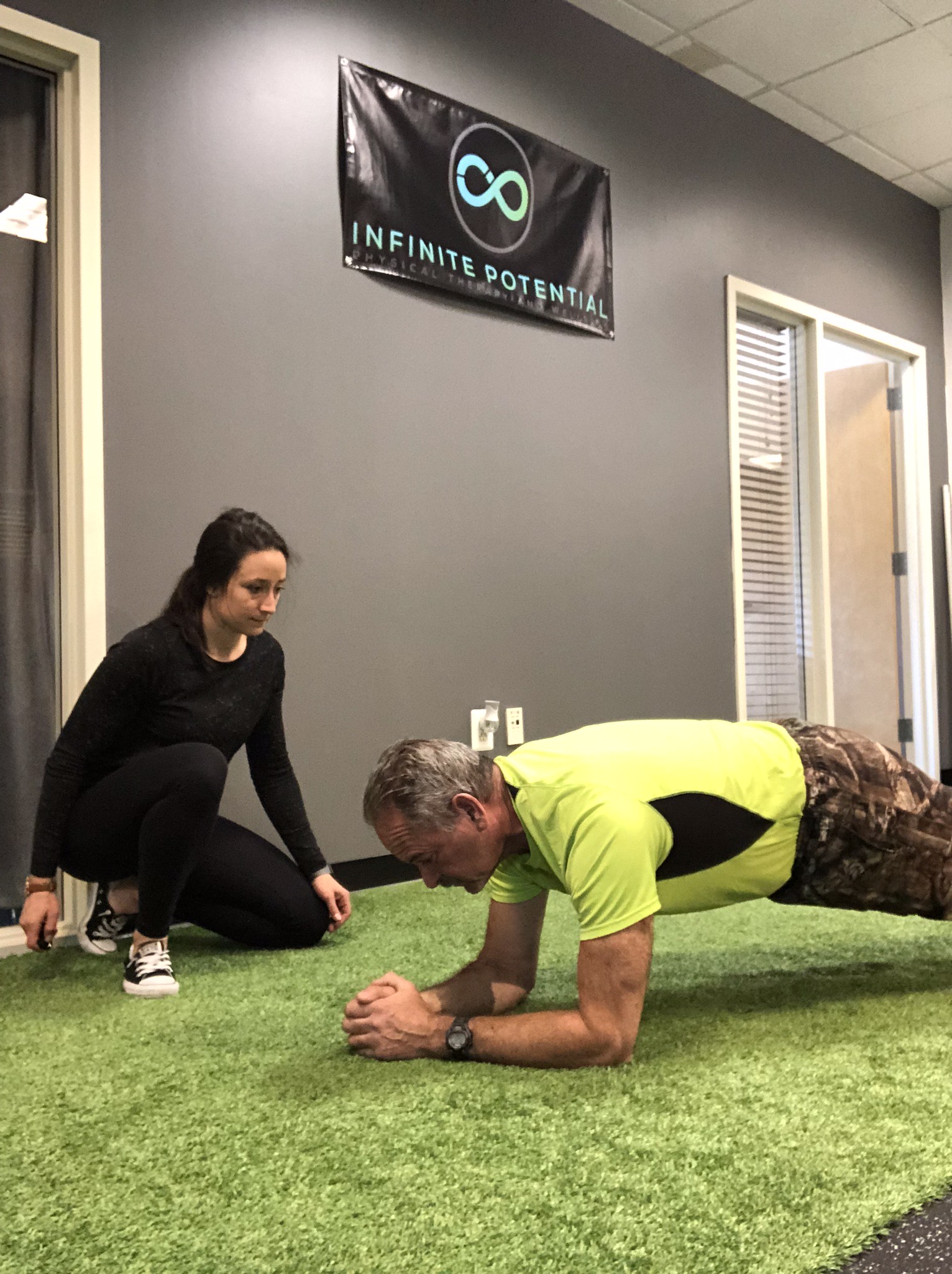
Introducing the Resiliency Series: How to become resistant to injury.
Everyone likes to try to search for the best “How-to” when it comes to helping their own injuries.
There is NO WAY that you can tell me you haven’t googled for “the best treatment for [ENTER PAINFUL AREA HERE]”
I decided that it would be a great idea to put out some content that I am calling the “Resiliency Series“. Over the next few months (or however long it takes for me to run out of content), I will be covering the most common areas of the body where people have their aches and pains. Each week will cover a specific area that we suggest people work on in order to resist injury.
This will NOT serve as a way to treat an injury or direct medical advice, but it will be a resource that will house the most up-to-date information on how to make yourself stronger and and more… RESILIENT! We ALWAYS suggest you seek medical attention if you feel you need more help.
Topics that will be covered include:
- The lower back! The most common area of long lasting pain for MANY people in our population.
- The knee! A very common area for many active people to have issues with at some point in their lives.
- The shoulder! Another very common place that needs long-lasting attention in regards to strength and flexibility. There are SO many misconceptions about what someone should or should not do with regards to their shoulders – with a history of pain or not…
- The foot! Lots and lots of foot pains have hobbled into the clinic from all the COVID-19 warriors looking to become runners all of a sudden… Feet need strength training, too! In pain or not, if you want healthy and happy feet, stay tuned.
- I will probably keep going but that’s all for now 🙂
I am going to start off the series today with some of the BEST ways that you can stay resistant to injury on a more general level.
Here are my most helpful tips that you can apply TODAY.
- Sleep is the most effective performance enhancing drug known to man… And it’s free. This is INCREDIBLY important to remember and should be the #1 place to begin when trying to address long-term resiliency and injury prevention. Sleep doesn’t only improve and enhance your physical state, but it also enhances your mental capacity as well. We all function better with more Z’s… You can do all the stretching and strength training in the world, but if you are running on 4-5 hours or sleep per night, its like driving with your E brake on. You’ll get to your goals but it will absolutely take longer to get there
- Most injuries are from doing too much, after doing too little for too long… If you do more than your body can handle, it will tell you. If your capacity to handle that said activity is low, then the ramp up needs to be MUCH slower than you may think it needs to be. If you have a goal to increase how much you do (ie. increase how far you are running), you should absolutely be adding to your overall activity (mileage in that case) little by little. Also… think about the entire week of activity, vs day to day. In the example of running, you should be thinking about your total mileage over the course of the week vs just the day itself, it all adds up.
- Understand that when your stress levels are high and life is a bit nutty, you can be at risk of an injury. Just like when your body is a bit stressed and tired you are more apt to get sick? Same thing goes for injuries. If life’s tossing you lemons, don’t try and squeeze the shit out of them with super hard workouts. Ease up a bit, stay active but don’t shoot for personal bests.
- Your GREATEST risk of an injury is a previous injury. Sorry folks, this is a proven fact and complete prevention isn’t ACTUALLY possible. If you have had an injury once, you are at risk for developing it again. You can only reduce your risk of getting hurt!
How can you reduce your risk? Learn more in the Resiliency Series to come!