by Dr. Loni Rodriguez | Feb 20, 2020 | Exercise advice
Have you ever twisted or sprained your ankle? Sometimes it
happens while you’re playing sports, working out, hiking, or even just walking around
the house. Either way, this can be quite painful, and I’ll get asked a lot of
times if it’s worth coming in for physical therapy.
The answer is yes!
When you sprain your ankle the ligaments that help support the ankle joint are
overstretched. It can take a while for these ligaments to heal and be back to
full strength, but we don’t always think about the other parts of our ankles
that are hurt. Our muscles have a harder time doing their job for walking and
turning because of the stiffness and pain. We also have receptors in our ankles
that help keep us balanced. Basically, the receptors tell our body when we are
off balance and how to correct it. When you sprain your ankle, these receptors
and your muscles are not able to do their job very well, which can lead to poor
balance and difficulty with normal activities like walking. Without some specific
exercises it can take a lot longer to get back to feeling your best. Especially
if you’re trying to get back to exercising it is really important to make sure
your body is prepared for the specific movements you want to do.
Right after spraining your ankle there are a few things you
should make sure to do and understand. This is the first step to helping your
ankle heal and get you back to 100%
1- Protect your ankle to prevent any further twisting or
injury to the area. This means restricting the activity on your ankle for about
1-3 days. Just enough to let the area start to heal, but not too long
either.
2- Elevate your ankle above your heart to help with the
swelling. Try about 20 minutes at a time.
3- Compression can also be helpful with swelling. Try this
with an ACE bandage or compression sleeve. It is important to know that this
isn’t the most important part of rehab for your ankle, but it definitely won’t
hurt either.
4- Active recovery is the most important part of
rehabbing your ankle. This means the bulk of getting your ankle better is going
to involve exercise and gradually challenging your ankle. This includes walking,
strengthening, balance, and plenty of other exercises.
In general, let pain be your guide with this process.
If something really hurts a lot, you’re probably not ready to do it. If
something hurts a little bit. It’s okay to keep doing.
After those first few days there are a few next steps in
this rehab to help you make a quick recovery.
1- The first thing you want to do is gradually load the ankle. This
means putting weight on it, walking, and performing light exercises. By gradually
challenging your ankle with weight bearing, and light exercises you will improve
your ankles ability to become strong, pain free, and balanced.
2- You also want to remain positive and optimistic throughout this process. Suffering
any kind of injury can be really difficult, especially when it keeps you from
doing the things you love. When you sprain your ankle, you might miss part of
your sports season or be unable to exercise with friends. This can be really
hard to deal with, especially if you’ve had other ankle sprains in the past. It
is important to remember to stay positive because it will get better, it just
takes time and hard work.
3- It is also really hard to keep doing cardio when you’ve sprained your ankle.
If you’re a runner or soccer player, it isn’t easy to do your normal workout. It’s
important to find a way to do some cardio. This could be riding a bike, using an
elliptical, or working out on a rower. Any of these will work great, just make
sure to keep some kind of aerobic exercise in your routine.
4- Finally, the most important part of rehabbing your ankle is to perform
specific exercises and gradually progress them. This means challenging your balance, range of motion, and strength. It will be important to work
within your limits, but also to push yourself so you can make steady progress. As
you get stronger the exercises should progress, so they are even more challenging
and specific to your goals. The specific exercises are going to be the most
important part of healing your ankle and will help you to have long term
success.
Remember, if you sprain your ankle PT can be really helpful!
It can help you recover faster and more fully so that the chances of having
another ankle sprain aren’t as high. Take time to recover fully so you can
get back to the things you love to do sooner and safer.

by Dr. Loni Rodriguez | Feb 6, 2020 | Client Achievements
Today we are going to highlight Joe, who has been doing great things since having his hip replaced at the end of October. When Joe first came to us, he had only had his right hip replaced two weeks earlier. As expected, he was having some pain and difficulty getting around. This wasn’t Joe’s first hip replacement, which meant he was well prepared for all the physical therapy and the time it would take to get back to 100%.
Here is Joe’s story:
“I was recovering from hip replacement surgery. This was my second hip replacement and I also struggled with overall mobility issues. Prior to the surgery my daily activities and workout programs were limited. I am very active and like a lot of activities that keep me moving and on my feet. Everything from remodeling my home, climbing ladders, cross-fit training were all painful and were becoming less and less enjoyable for me. Although my first hip replacement was successful, I wanted to take a more focused approach to recovery this time. It’s been 4 years since the first surgery and I still feel weakness in that hip. I was determined this time to find a program that could improve strength in both hips, improve my mobility and balance.”
“I found myself immediately doing movements that I didn’t expect do for months. The focus on a variety of single leg movements has helped strengthen my legs and hips as well as improve balance and core strength. At this point I’m able to do movements that I haven’t been able to do in years. I’m pain free and able to do all activities that I enjoy.”
“I really appreciate that on my first day Colin asked me what I wanted to get out of the program. We set goals which have been achieved and Colin continues to check in on what else I feel I need to work on. My sessions are challenging and fun. It’s nice to be able to work hard, but have a good conversation and a laugh while pushing some new boundaries. I really like that when I leave the session Colin sends a workout program to me to focus on in between appointments. I would highly recommend this program to anyone.”
I have had a ton of fun working with Joe, he is constantly upbeat and motivated to take on new challenges. Joe is always consistent with his program at home and is seeing the payoff from his efforts. This combination of great effort during our sessions and commitment to working hard at the gym are why he has made so much progress so quickly with his hip. I’m excited to keep working with Joe and help him reach all his goals. Thanks for being so committed to this program, we are all very proud!

by Dr. Loni Rodriguez | Dec 19, 2019 | Exercise advice
Do you know anyone who has suffered
an ACL tear? This is one of the most common knee injuries and takes a long time
to come back from. It’s the kind of injury that can keep an athlete out for a
whole year and requires surgery and a lengthy rehab. When I see someone with
this injury, I tell them that it will take time, but they definitely can make a
full recovery and get back to playing their sport. The process takes hard work
and commitment, but the outcomes are very good.
There are lots of important parts of
rehab from an ACL injury, but I want to highlight certain things that make sure
an athlete can safely get back on the field.
- Long term commitment– When coming back from this injury, the athlete has to understand that you can’t rush the process. The ACL takes a long time to heal and research has shown that it takes a minimum of 9 months to become strong enough to safely play sports. Even more importantly, the athlete has to develop the muscle power and strength needed to run, jump, and cut on a field.
- Strength training– When rehabbing from an ACL injury, the muscles in our legs lose a lot of strength and need to be trained to be strong again. Early on this strengthening is necessary to allow the person to regain normal walking mechanics, the ability to go up the stairs, and to get in and out of a car. As time passes and you get stronger, the training becomes even more specific to your sport so that your muscles can support the ACL as much as possible.
- Landing mechanics– One of the risk factors for ACL injury is landing mechanics. When landing we want to make sure the athlete has control of their knee and are able to maintain stability. As the athlete gets stronger and is closer to returning to play, it is important to make sure landing mechanics are practiced in all different ways. This means working on jumping/landing on two legs, on one leg, landing from different heights, and making the practice specific to their sport.
- Mentality– This is an area that doesn’t always get as much attention as it deserves. Returning to the sport that an athlete got hurt playing can be really difficult and scary. It is so important that we take the time to help each person feel confident in their ability to move. Developing the right mentality takes time, but we know that it is vital for the athlete to return to 100%.
- Consistency– When you know that it’s going to take at least 9 months to get back to playing, it is easy to get discouraged. It’s okay to have a day occasionally, when you don’t feel like doing your exercises. However, you have to stay committed to working hard each day and continue to push yourself to get stronger. When rehabbing from this injury it is important to keep working all the way until you’re back on the field. Going to PT for 5 months before trying to do the rest on your own isn’t the best strategy for making a 100% recovery. Train to get back on the field and then keep training so you can stay there.
These are just some of the different parts of working with athletes recovering from an ACL injury and as always, the most important part of rehab is working with someone you trust.
If you or someone you know is rehabbing from an ACL injury, let us know about your experience!
by Pippa Teague, Strength Coach | Oct 14, 2019 | Back Pain, Exercise advice, Injury, Injury Prevention, Personal training, Recovery, strength training, Uncategorized
By Loni Rodriguez, DPT
Having an animal in pain is really scary.
They can’t talk, they can’t tell you what makes it hurt, how severe it is, how it makes them feel, or what makes them feel better.
You can’t ask questions like, “Does eating make the pain worse?”
Or… “Has this been going on for a long time, you just haven’t done anything about it?”
You must rely on watching their body language and for signs of distress. But man, to base your plan of attack on a dogs sign of pain is really challenging.
It is hard because when you see these said signs (shivering, whimpering, panting), you want to try not to freak out and run to the emergency room. Sometimes, things like this just go away on their own. Also, everyone knows how expensive the vet can be and you are 110% at their mercy which means you have to have a trusted source for care.
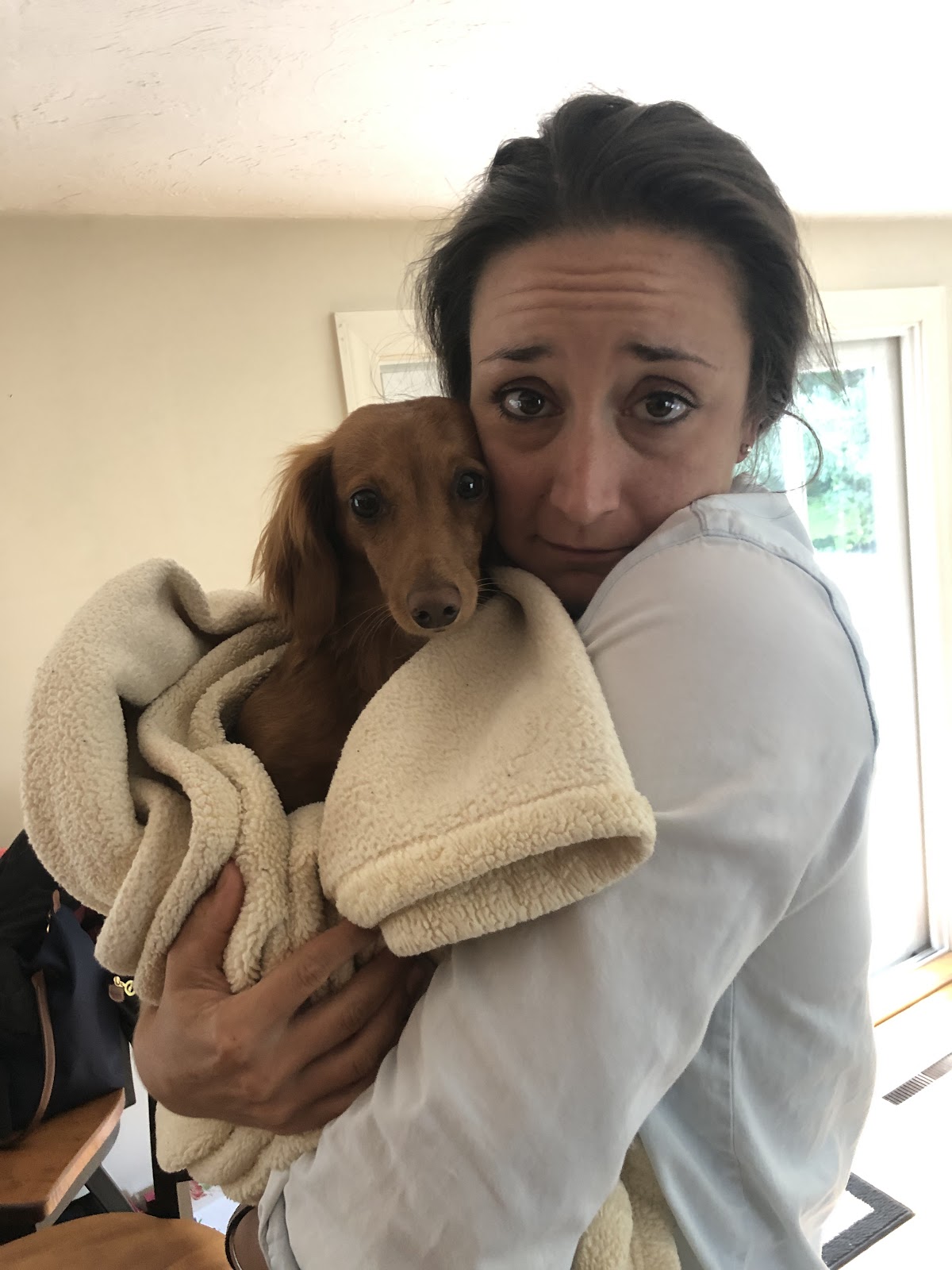
Gracie (our 5 year-old Long-haired Dachshund) had suddenly began to show signs of distress one day. The signs would fluctuate, but she just was not herself and we made the decision to take her to the vet. After some blood testing and ruling out the real serious things, she was diagnosed with lower back pain. Now, Dachshunds are known for back issues because of their bodies, but she’s 5 years-old! She does love to play, jump and run but has had no prior history of this…
The vet’s treatment plan was high-dose anti-inflammatory medications and ‘crate’-rest for 2 weeks. I asked about physical therapy, I knew that “doggy” chiropractors existed but they didn’t have any resources for us. Nevertheless, we took the docs recommended plan and headed home. Mommy went into PT-mode.
I texted and messaged Instagram friends all over the country to see who knew what I could do for my dog with low back pain. Soon enough, responses poured in and I was in contact with one of the best animal chiropractors! (Social media is WILD). We spoke briefly on the phone and not to my surprise, the vet’s recommendations were pretty poor and she explained that it was a very ancient school of thought. I needed to find myself a local chiropractor for my pup…
A few days went by, Gracie was looking a bit better but still was well below 100%. She was not really eating, not wanting to leave her crate very much (even though that is what was recommended, I left the crate door open). She really was just feeling like crap. During this time, we also have Mr. Tucker (our other pup) right by her side cleaning her ears, eyes and mouth like a caring little bro – the CUTEST thing ever.

A few more days went by, still not looking up for our furry baby. One morning I woke up to get ready to go to OrangeTheory and took Gracie out to pee. She seemed like she had a little pep in her step without showing signs of distress so I was happy. That was until I took her outside and she stumbled and fell over on her hind legs while going to the bathroom. Her back legs were not working normally! That was it, to the vet ER I went at 5:30 am. Even though I could tell she was not in as much pain, I needed to get her looked at.
After waiting patiently and going through with the evaluation with the ER doc, they cleared her for severe loss of function via some testing and diagnosed her with MILD disc herniation and recommended HIGHER-dose pain medication for 6 weeks and complete crate rest (for 6 more weeks).
WHAT?!
But she wasn’t in pain? She was actually happy and seeing some improvements? If you clear the big scary diagnoses and say the leg weakness is a sign of a mild disc herniation then why the 6 weeks of bed rest and super high does pain meds that will knock her out?!
Could ANY of this be similar to a human? (I asked, and they said sort of but not really…) They said that if I did not follow these recommendations, I could be looking at severe negative effects and possibly needing surgery…
This seemed WAYYYY too close to some recommendations made to patients in the past who have made amazing strides without heavy meds, rest, or surgery.
Again, I reached out to the trusted chiro and she said PLEASE find a local doc. So… that is what I did. The SAME day that I brought her to the ER, she was seemingly better so I think she was gradually improving in regards to discomfort and pain, but her leg weakness and lack of coordination continued to be present. I absolutely wanted another opinion. I found a doctor of doggy chiropractic medicine that the other chiropractor approved of. We were seen for an appointment and all of my worries and thoughts of having to rest and medicate her were gone. He agreed with some mild disc-related pain, but explained that dogs are self-limiting. They will do as much activity as their bodies can handle. Yes, I needed to keep her from jumping, playing hard with her brother and limit how MUCH play… but to let her play and be normal. He did some gentle work on her and off we went.
Movement was medicine and she is now close to 100% after about a week.

Now… what did I learn from this experience?
It is really hard to trust ANYONE when your loved one is going through pain. You want what is best, but are not sure who’s recommendations to follow.
I need to continue to be very mindful of how I approach education and treatment recommendations for my clients. I found myself reflecting on how I have approached recommendations to patients. I am confident in what I tell people to do, but they HAVE to be confident themselves before they will follow what I have recommended. Even though I really did trust the original “virtual” chiropractor, I was faced with significantly different conflicting recommendations by an ER doctor… I am SO glad that I did not follow the original recommendations.
Find a medical professional that you trust. Find that medical provider that you really feel has your best interest in mind, has the resources to allow you to make your OWN informed decision on how you would like to proceed, AND has enough humility to admit when they may not know exactly what to recommend, but know someone who can help.
If this story resonated with you, please let us know leave a comment below or shoot us an email. If you are a current client and see Gracie in the office on the regular, give her a hug! She is a happy pup who loves attention.
Looking for the doggy chiropractor? Get in touch and I’m happy to share 🙂
by Pippa Teague, Strength Coach | Aug 12, 2019 | Conditioning, Exercise advice, Injury Prevention, Personal training, Recovery, strength training, Uncategorized
Pippa Teague
NASM CPT
Infinite Potential Personal Trainer
What is recovery?
Basically the ability to shorten the time needed in between workouts so you can see more improvement faster!
Sore muscles are good! Something that doesn’t seem right? Not good. Sore muscles actually mean you have done your job during your workout and the muscles are growing / becoming stronger. If your muscles are painful to touch you probably overdid it a little and might want to wait until it’s more along the sore muscle range before working out again.
Here are a few things that will aid in recovery after your workout.
- Active recovery – get moving. Light weights or bodyweight, bike, minimal raised heart rate
- Stretching– if it makes you feel better and/or you have lost some range of movement
- Nutrition– this one is a very important part of recovery. Replacing carbs after a workout and making sure you are taking in enough protein is key
- Hydration – consuming enough water post workout to speed up muscle repair and prepare you for your next workout
- Sleep– also very important. Less than 7 hours hurts recovery, more than 7 is good but more than 9 hours sleep helps the most in recovery
- Massage and meditation – helps to decrease stress which delays recovery
The two biggest pieces to recovery I believe are nutrition, hydration and sleep.
Nutrition
–Protein
Protein is very important. It helps repair and rebuild muscle after activity. Consuming the right amount provides building blocks to get that underway. It is recommended that you should consume 0.15-0.25 g of protein /lb of body weight.
-Carbs
Consuming carbs post workout replenishes your glycogen stores. 0.5-0.7g/lb of body weight is recommended up to 30 minutes post workout.
–Fat
Fat should be limited right after your workout as it slows down the absorption of the other nutrients you may be taking in but consuming it won’t reduce the benefits.
Here is a list of some examples of some good post workout food
Protein
- Protein shake
- chicken
- egg whites
- Greek yogurt
- salmon
- tuna
Carbs
- potatoes
- green veggies
- Oatmeal
- pasta
- rice
- Chocolate milk
- fruits
Fats
Hydration
Hydration is also very important for recovery. Not just before the workout and during but after is almost more important!
Hydrating after working out provides the following benefits for ultimate recovery
- muscle repair
when we work out muscles actually get broken down and repaired (which is what builds the strength ). For this repair water is vital in speeding this process up as our muscles are made up of 75% water!
2. Digestion
water helps with digestion by breaking down the food and absorbing the nutrients that our muscles need right after a workout- salts electrolytes (to name a few).
Sleep
Getting at least 8 hours of sleep is vital in your recovery after a workout. When you sleep growth hormones are released helping repair muscles, build bones and burn fat. Make sleep a priority in your training, go to bed at the same time every night and wake up the same time in the morning, take naps in the day if you miss out on sleep. Try to increase sleep on the run up to an event or competition.
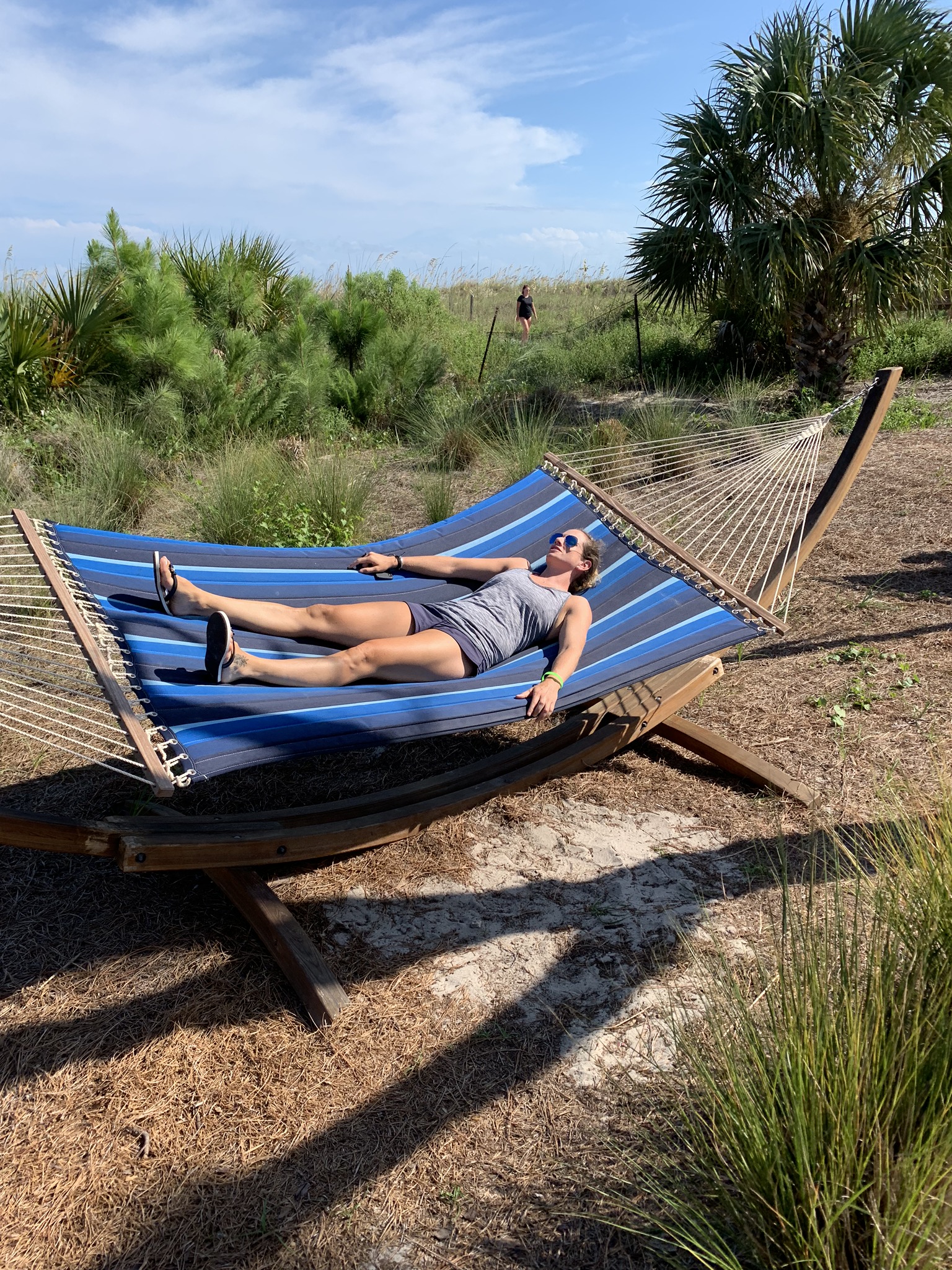
Try to add some of these recovery suggestions to your next week of workouts and see how you feel !
