
by Pippa Teague, Strength Coach | Sep 16, 2019 | Stretching, Uncategorized
By Anna Burns, PT, DPT
New moms spend a LOT of time feeding their newborns. Whether via breast or bottle, feeding can put the body in unusual sustained positions that often lead to shoulder, upper back, and neck pain or stiffness.
A few stretches I love to give my new moms include a doorway stretch, a chest opener on the floor or a foam roller, and a neck stretch. All stretches can be done multiple times a day as needed. Hold each for about 30 seconds.
For the doorway stretch, place elbows and wrists on one side of the door frame at about shoulder height. Place one foot in front and use your foot to guide you gently through the doorway. You should feel the stretch along the fronts of the shoulders and upper chest. You can play around with angles to see where you get the best stretch. If your fingers start going numb, back off the stretch and lower your hands in the doorway.
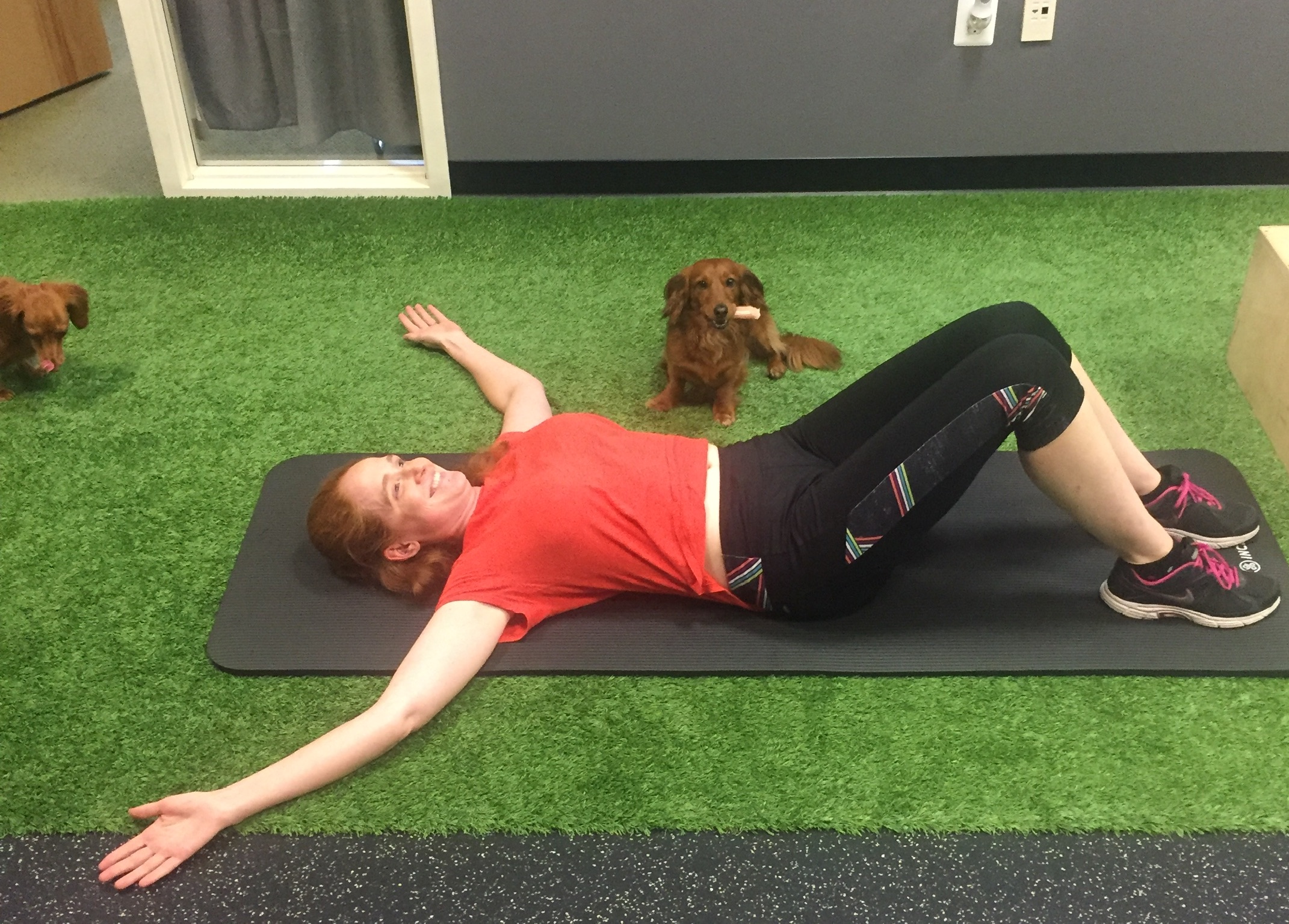
For the chest opener, lay flat on the floor and open your arms out wide and slightly up towards your head. Take a few deep breaths in this position. To make the stretch deeper, you can do this laying the long way on the foam roller or rolling up a blanket and laying it along your spine.
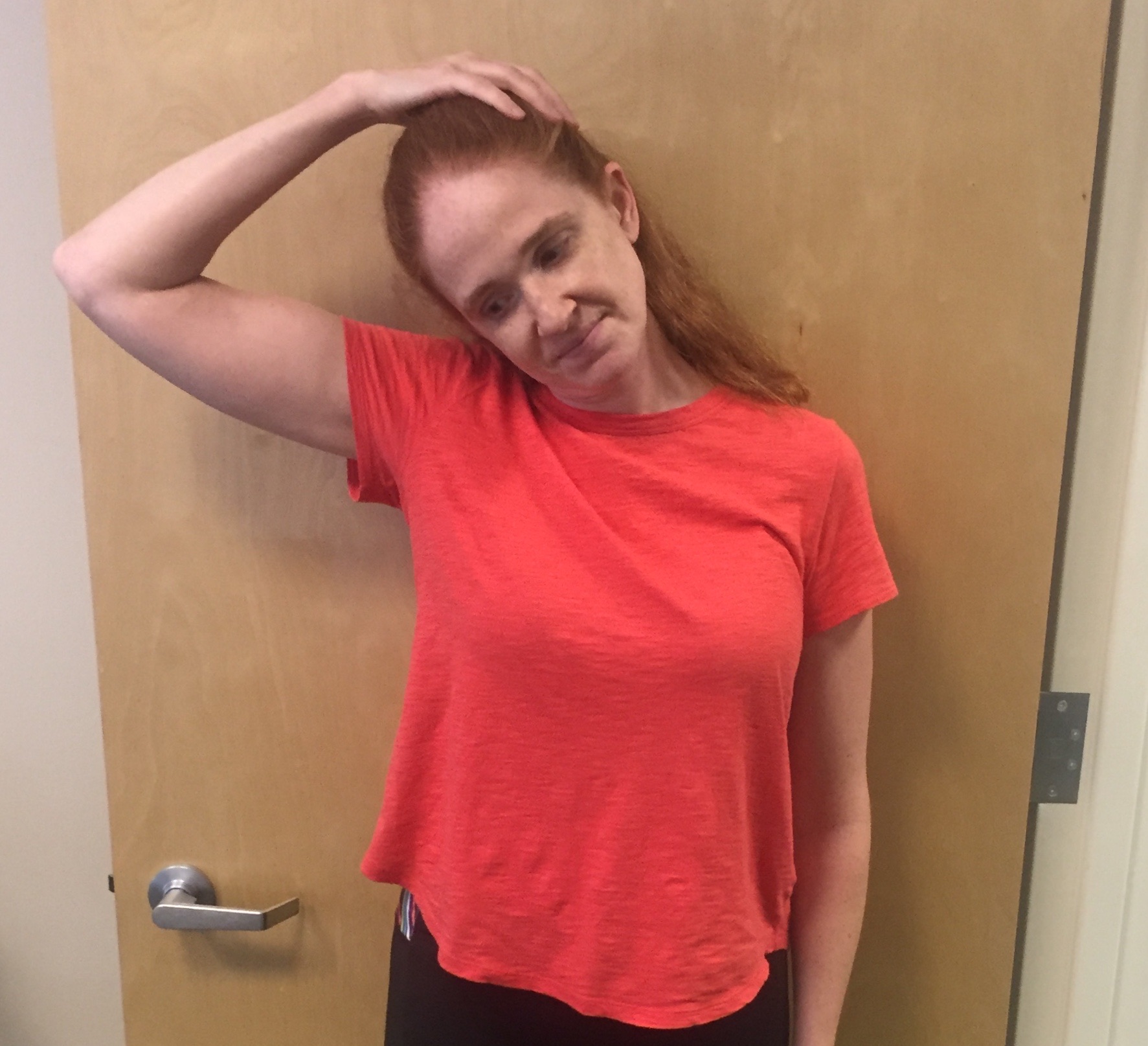
For the neck stretch, gently tilt your head to one side and place that arm on the opposite side of the head to gently stretch the side of your neck. After a few breaths here, tilt your head downward as if you were trying to look at (or smell!) your armpit. Repeat on the other side.

by Pippa Teague, Strength Coach | Sep 9, 2019 | Breathing, Conditioning, Injury, Injury Prevention, Recovery, Running, strength training, Stressrelief, Stretching, Uncategorized, working with injury
The definition of adversity via Webster’s Dictionary:
“Difficulties, misfortune, ill luck, back luck, trouble, difficulty, hardship, distress, disaster, misadvantage, suffering, affliction, sorrow, misery, heartbreak, heartache, wretchedness, tribulation, woe, pain, trauma, torment, torture.” The list goes on.
Adversity can be defined as any of the above. Everyone goes through some sort of adversity. It’s not about what type you deal with, but about how you respond to it.
Do you ever feel alone when you’re dealing with something like this? I am sure of it, we all do. But guess what, you aren’t alone. The feeling of being alone EASILY gets more believable in a world where social media is constantly in our faces. Old friends, co-workers, gym buddies, cousins, acquaintances, celebrities… they all look SO happy on the screen of your phone. But guess what, they probably have shit going on. Don’t forget that.
So… How do you overcome adversity? You can’t just make it go away, you can’t just run and hide and let someone else deal with it, you can’t just forget about it because it absolutely will resurface at some point.
Adversity can be overcome by the way you react to it.
This can be applied to matters BIG and SMALL.
Small example…
Someone is going 40 MPH in the passing lane and you are LATE for work?
Option A: Tailgate them like a MASShole, honk and give them the finger?
OR
Option B: Remain calm and let them realize they are being slow where they will eventually speed up or switch lanes.
Big example…
Someone does something extremely unjust, unreasonable and unfair?
Option A: scream and yell, accuse and verbally abuse?
OR
Option B: Remain calm with them. Do you best to not let your emotions drive your words. Take your feelings to a conversation with a friend where you can say what you want and get some advice.
Take home… We all deal with shit on any given day. The sun still rises in the morning no matter what was dealt the day before. Get up, shake the dust off and keep moving. Use adversity to learn, grow and become stronger. Get your reps in, practice makes perfect so keep working on overcoming those small hardships because when the big ones roll around, you will be ready.
by Pippa Teague, Strength Coach | May 22, 2019 | Breathing, Conditioning, Flexibility, Foam rolling, Injury Prevention, strength training, Stretching, Uncategorized
Pippa Teague, Strength Coach
Infinite Potential Physical Therapy
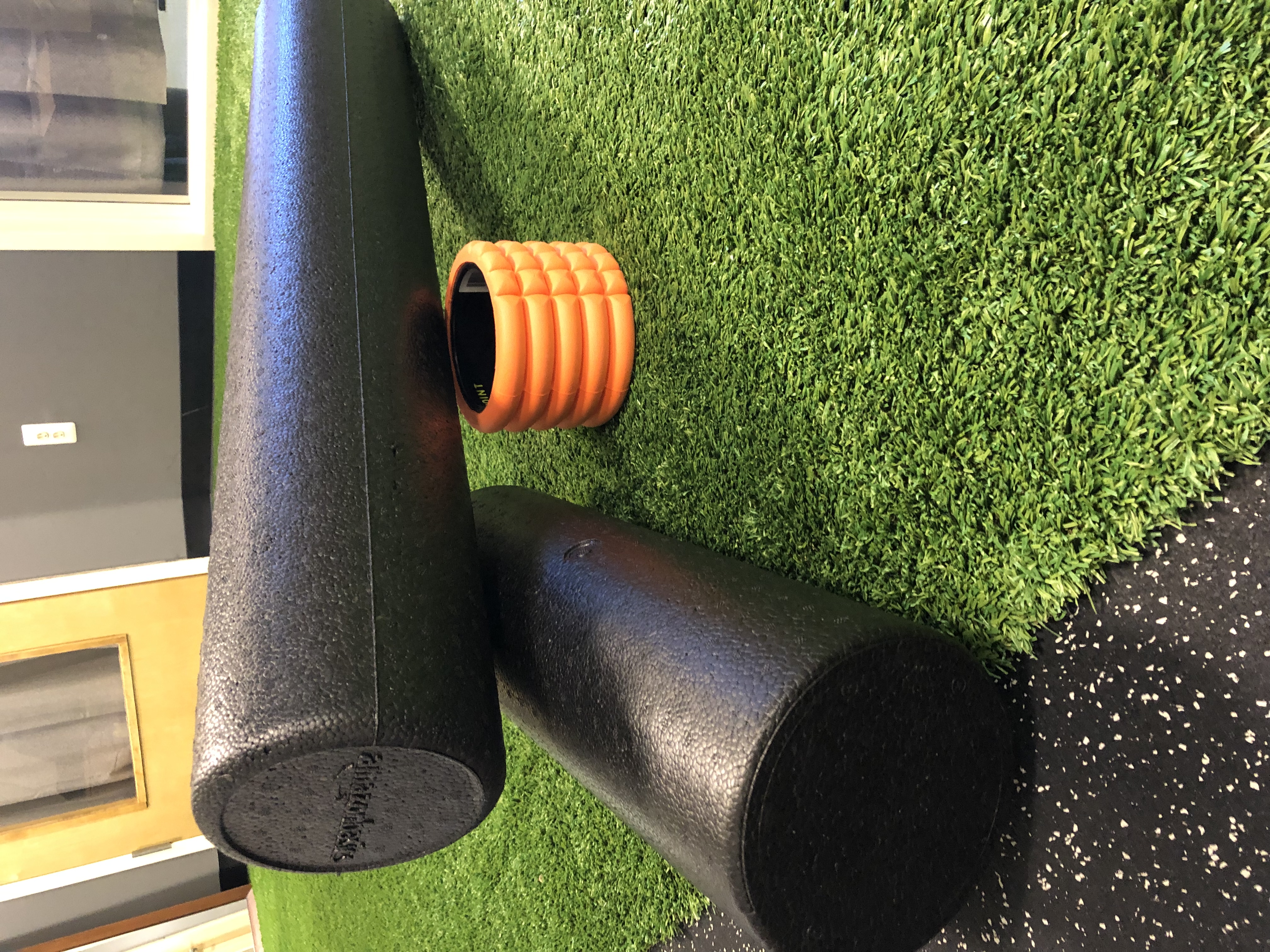
So.. what the heck IS foam rolling exactly? Well, it is rolling parts of your body (muscles) on a foam roller giving yourself your own “massage” or some might say “self myofacial release”.
It is frequently used to promote recovery, flexibility and athletic performance. However, as everyone began to become obsessed with it over the past few years, we have learned more about what it DOES NOT do verses what is DOES do. It has NOT been proven to provide long term effects on recovery, perform, OR flexibility. Short term effects on flexibility? Sure. Long term (what we really want)..? Not so much.
The widely accepted theory is that foam rolling / lacrosse balling / super nova-ing is a way to “release” fascia (soft tissue surrounding all organs, muscles, bones and nerve fibers), adhesions, muscular restrictions, etc. This restriction, adhesion or tightness of this fascia causes decreased joint range of motion and blood flow.
Here is the real deal.. to actually CHANGE the tissue that is underneath your skin (aka fascia) you need a SIGNIFICANTLY higher force than a human exerting it on themselves would need to be used! So let’s get one thing straight.. you ARE NOT releasing anything..
So why are we getting those short-term improvements in flexibility, pain relief, etc..?
The theory is that foam rolling CAN stimulating the nervous system to relax which in addition will improve pain tolerance. Similar to other things like stretching, deep breathing and meditation..
Our Advice? USE IT IF YOU LIKE IT AND UNDERSTAND THAT IT PROVIDES SHORT TERM EFFECTS ONLY.
Apply during your warm up (no more than 2-3 mins)
5-10 passes over each muscle group
We know that more does not mean improved outcomes…
So.. in short. Foam rolling or self mobilization can give you short term gains in flexibility, decrease muscle soreness and pain. KEY WORD IS SHORT TERM! What can it do long term? …..? Unsure.
If you foam roll and you feel like it helps you in your workouts and promotes recovery, then keep it up! If you foam roll and are in agony and doesn’t seem to help you then giving it a miss might not be a bad idea!
Learn how your body reacts and do what feels good!

by Pippa Teague, Strength Coach | Apr 16, 2019 | Exercise advice, Flexibility, Stretching
By Loni Rodriguez, PT
Infinite Potential Physical Therapy and Wellness
Many of us work at desk jobs, commute to work sitting in a car or on a train? You are basically sitting all day. That can’t be good for you, RIGHT?! Sitting is the new smoking…
Actually, that is a myth. Sitting is not killing us! Recent research has shown is that it is much more common to develop chronic disease from what we consume, how poorly we sleep and how much stress we endure on a regular basis. Sitting is not actually BAD for you and it is more important to be focused on modifying the foods we munch on, the alcohol we sip, our sleep quality and how much we allow stress to affect us. Those are all modifiable, at least much more modifiable than changing jobs…
Let’s rethink this for a minute… If you can not modify your job to be able to stand more frequently, I am telling you that that is okay! Doesn’t that make you feel better already? Put you at ease a bit? Sitting is not hurting you, it is not a direct cause of low back pain, or any pain for that matter. Sure, more movement throughout the day is definitely better than being sedentary. However, there are plenty of very active people who deal with health issues and pain and there are many very healthy people that sit all day. Just let that sink in a bit.
Want a good warm up and full-body mobility routine you can perform without equipment? I have provided you with a grouping of exercises below that take you through a full range of motion of all joints throughout your body. Each of the exercises can be modified by not going as deep into the postures. Click the link below to view the 5-minute routine.
5-MINUTE FULL BODY FLEXIBILITY ROUTINE
Besides the above routine that can be easily performed a few times per day, my best recommendations are listed below:
Focus on your recovery vs doing MORE. I suggested the above routine, but sometimes we focus more on what we should be doing for exercises versus modifying our daily routine.
SLEEP
Try and achieve 7-8 hours of QUALITY sleep.
HYDRATION
Shoot for drinking one half your body weight of water in ounces.
STRESS
Take some time daily to breathe, be mindful, and not let stress build. This can dramatically affect your levels of pain and stiffness on a regular basis
NUTRITION
Simply eating a clean diet can improve your overall energy levels, pain, and stiffness.
MOVE AS OFTEN AS YOU CAN
The more you can get up, the better! Take calls on a walk, plan walking meetings with the team, have a goal to take a walk at lunch 3 days per week.
By following the above advice over time, you will notice a generalized reduction in stiffness throughout your day and improved energy levels!
